With ample space and advanced safety features, the Blazer ensures every journey is as enjoyable as the destination.
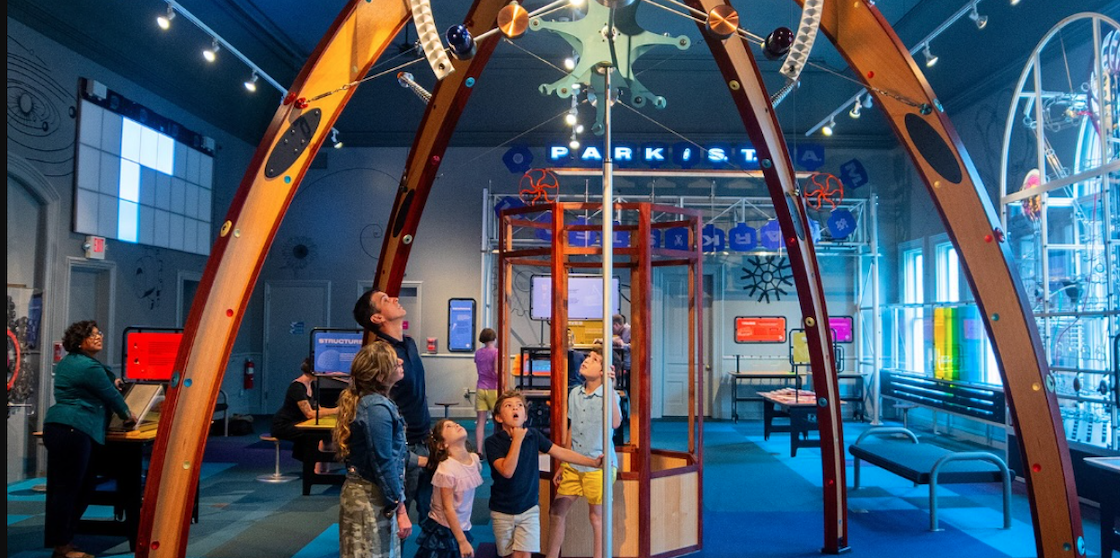
Photo courtesy of the Ann Arbor Hands-On Museum
For kids, science, technology, engineering, and math (STEM) can go beyond textbook subjects and become adventures. Across Metro Detroit, museums and learning centers are bringing these concepts to life through interactive exhibits, creative play spaces, and engaging activities that spark curiosity. These hands-on experiences not only inspire a love of learning but also encourage critical thinking, problem-solving, and imagination in ways that stick long after the visit is over.
Cranbrook Institute of Science
39221 Woodward Avenue, Bloomfield Hills
For families who love blending science with natural history, the Cranbrook Institute of Science in Bloomfield Hills offers a rich variety of interactive and educational exhibits. Permanent exhibits like Every Rock Has a Story and Life Changes Over Time reveal the wonders of Earth’s history and biodiversity. The Institute’s immersive approach, using sound, light, and interactive displays, helps young visitors connect STEM learning to the world around them in meaningful ways. With camps offered throughout the year, your kiddos can explore topics surrounding biology, STEAM, and more.
Ann Arbor Hands-On Museum
220 East Ann Street, Ann Arbor
The Ann Arbor Hands-On Museum offers an immersive approach to learning that blends play with discovery. Here, kids can experiment, build, and explore in a space designed to make science accessible and exciting. “Hands-on STEM experiences are at the core of how we design every exhibit,” shares Ari Morris, Director of Exhibits & Technology at the Hands-On Museum and Leslie Science & Nature Center. “We want visitors to engage with real scientific principles through play, experimentation, and exploration. When kids can touch, build, and test things for themselves, it transforms abstract ideas into lasting understanding.” One of their newest exhibits is the all-new STEAM Park (designed to include artists), offering displays built for interaction. With exhibits for all ages, this museum transforms play into ways to see, touch, and experience STEM concepts and beyond.
Michigan Science Center
5020 John R. Street, Detroit
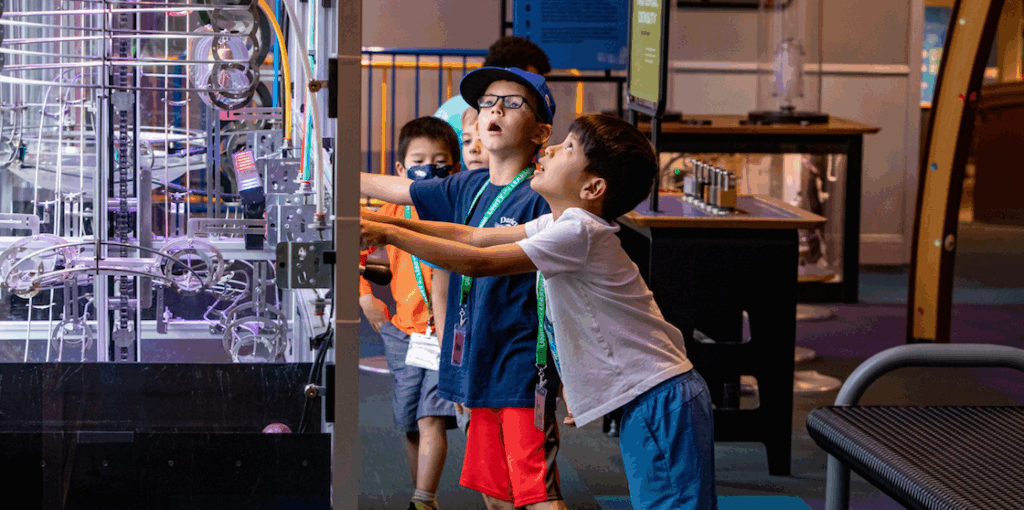
Located in Midtown Detroit, the Michigan Science Center (Mi-Sci) offers over 220 hands-on exhibits that cover every corner of the STEM spectrum. Young learners can explore Kids Town’s imaginative play spaces, dive into space exploration in the Space Gallery, and unleash their inner inventor at the Smithsonian Spark!Lab. Exhibits like Earth. Wind. Weather. let kids take control of natural phenomena, while the Motion Gallery turns concepts like energy and force into interactive challenges. Of course, the STEM Playground is a must-stop, with insight into engineering work, how an airplane can operate, and more. Whether building a Mars habitat, experimenting with sound waves, or testing your math skills, Mi-Sci makes STEM an exciting, all-day adventure for the whole family.
Stemville
141 North Center Street, Northville
Stemville is a creative play space built entirely around STEM-focused activities. With thousands of Magformers, coding robots, and hands-on building stations, kids are encouraged to imagine, explore, design, and create. Open play sessions allow kids to engage at their own pace, while parties and memberships offer ongoing opportunities for growth and fun. Recommended for ages three and up, Stemville provides a shoe-free environment where kids can dive into projects that develop critical thinking and problem-solving skills, all while having a blast.
From large museums with expansive galleries to smaller play-based learning spaces, Metro Detroit offers countless ways for kids to experience STEM in action. These spots turn abstract concepts into hands-on adventures, helping the next generation of thinkers and creators discover just how exciting science, technology, engineering, and math can be.
This article has been updated to include new information. The original article was published on September 3, 2014.

